
HomeApplicationsLivestock industry
Application
Livestock industry
Farm biosecurity with anolyte — environmental, hand, boot and drinking water hygiene, including biofilm removal in water lines.
Farm applications include livestock watering, drinking water disinfection, dairy and milking operations, pre- and post-teat dip, CIP sanitising, poultry cooling and humidification pad treatment, irrigation and drip line cleaning, and iron and manganese removal from water supplies.
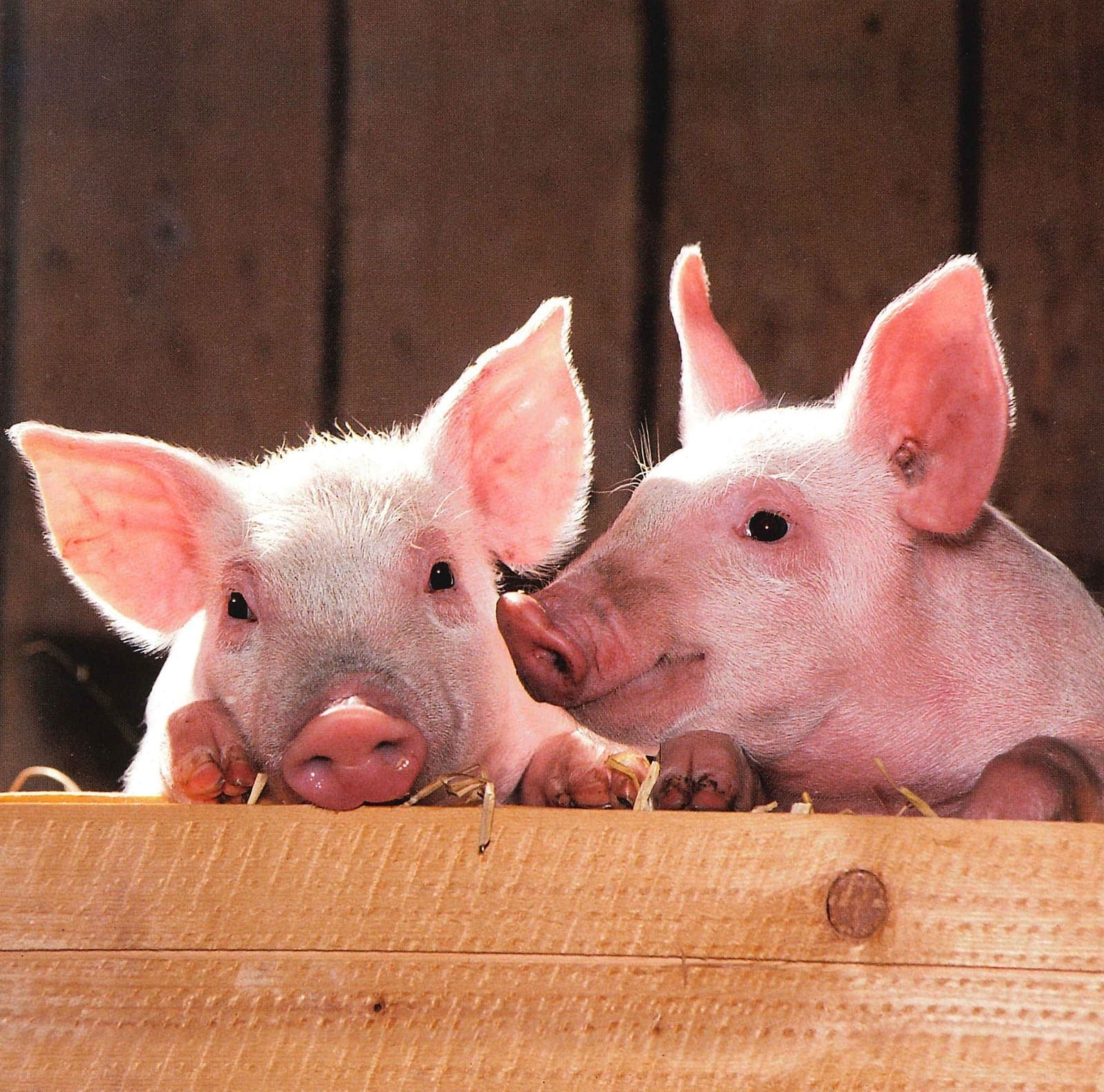
Why biosecurity matters on a pig farm
Protecting livestock from disease is as important as any other part of the business. External biosecurity keeps pathogens from entering the farm or herd; internal biosecurity stops disease spreading within a herd or to other herds. Both rest on three components:
- Segregation — keep livestock apart from animals that may carry infection. Well-maintained barriers around the farm and individual herds stop most contamination; limiting the movement of animals and people removes the chance of carrying infection between areas.
- Cleanliness — everything that crosses a barrier, from vehicles to boots and equipment, should be thoroughly cleaned of visible dirt in both directions. Most contaminants travel in urine, faeces and other matter stuck to surfaces, so removing it removes the contaminant.
- Disinfection — applied effectively, a disinfectant neutralises infection remaining on cleaned objects and keeps animals' drinking water free from pathogens.
ECA technology delivers the solution
Kirkmayer systems produce a non-toxic, degradable disinfectant — anolyte (HClO) — that destroys bacteria, spores, viruses, moulds, yeasts, fungi and biofilms in pipes and removes odours, using only water, sodium or potassium chloride (salt) and electricity.
Multicellular organisms, including humans and warm-blooded mammals, defend themselves against pathogens by synthesising mixtures of metastable oxidising compounds that damage all major groups of pathogenic microorganisms without harming their own tissues. The oxidising liquids produced in our ECA system are similar — which gives anolyte its high biocompatibility, and makes it non-toxic to the environment.
The main benefits are low cost, versatility, easy installation with no changes to existing systems, proven effectiveness, and none of the problems of traditional chemical treatments.
Using anolyte on a pig farm
- Environmental hygiene — proper cleaning and disinfection of the pig house lowers the bacterial load and the risk of infection. Remove all organic matter and equipment, soak and clean everything, then spray and fog with anolyte.
- Hand hygiene — anyone working with the animals, their environment or equipment can transmit infection. After washing with a quality soap, disinfect hands thoroughly with anolyte.
- Boot hygiene — a footbath has to be fast and effective without disrupting the farm. Anolyte's hypochlorous acid acts quickly with excellent performance.
- Drinking water hygiene — water quality is crucial to pig welfare. The disinfectant must leave no residue, stay effective along the whole water line and keep the water safe to drink; anolyte does all of this and suits continuous dosing.
Microorganisms attach to surfaces and form biofilms. Chlorinating a mature biofilm usually fails: the biocide only reacts with its outer layer, leaving a substantial community underneath that regrows quickly and becomes more resistant with repeated dosing. Anolyte effectively removes the biofilm.
Projects
Projects in this field
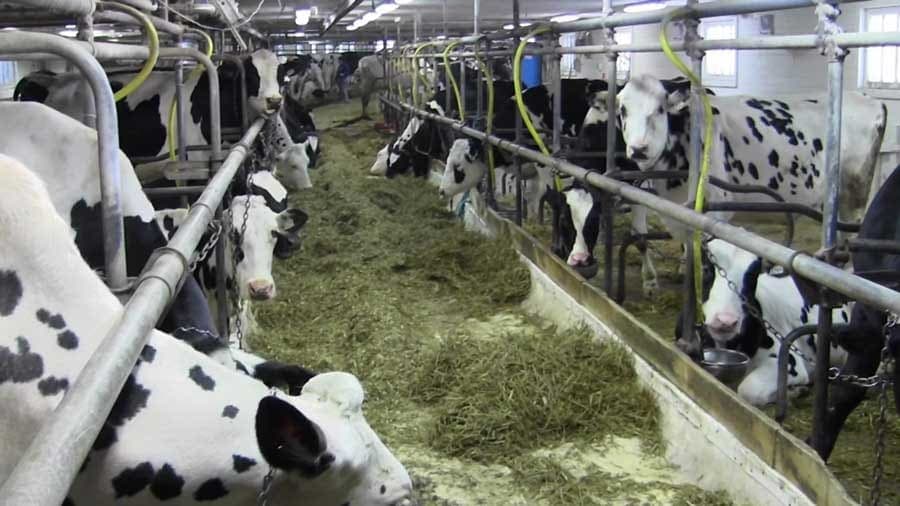 Dairy factories
Dairy farm
St-Édouard-de-Lotbinière, Quebec, Canada · 2018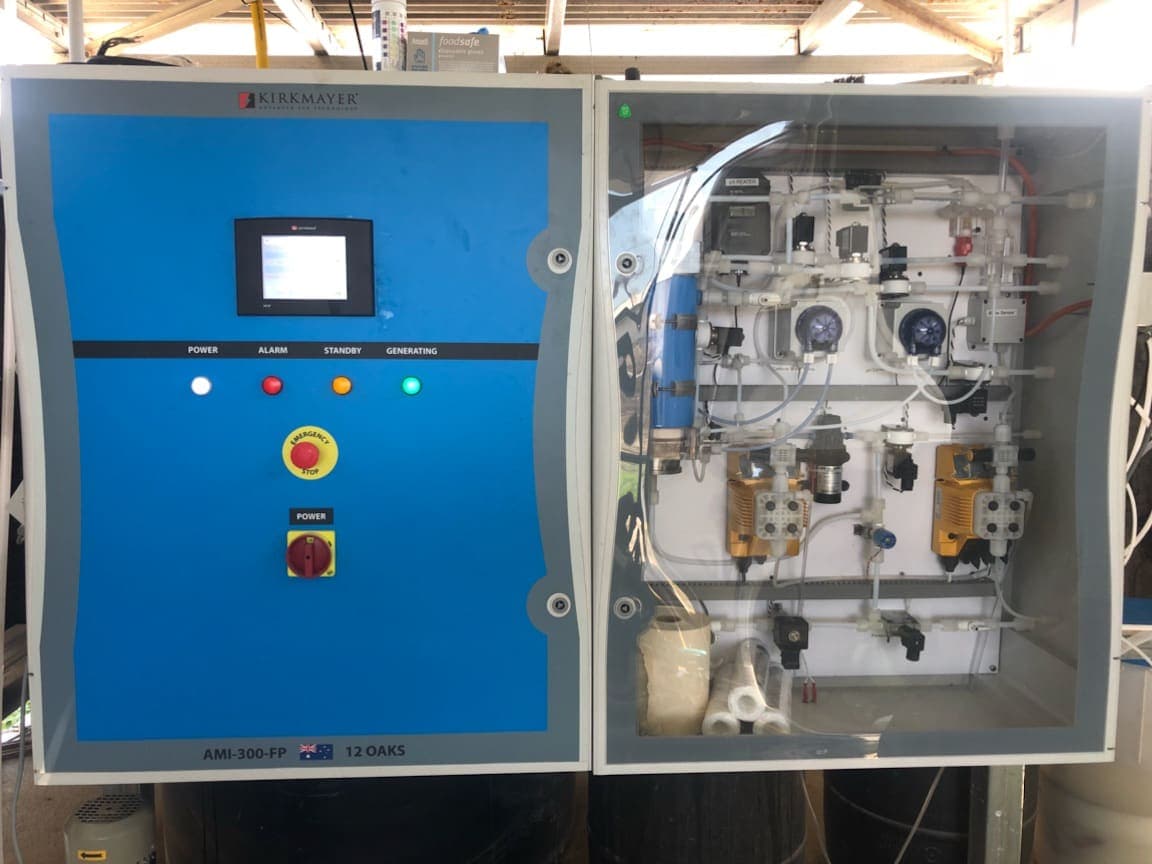 Livestock industry
200,000 laying hens farm
Queensland, Australia · 2018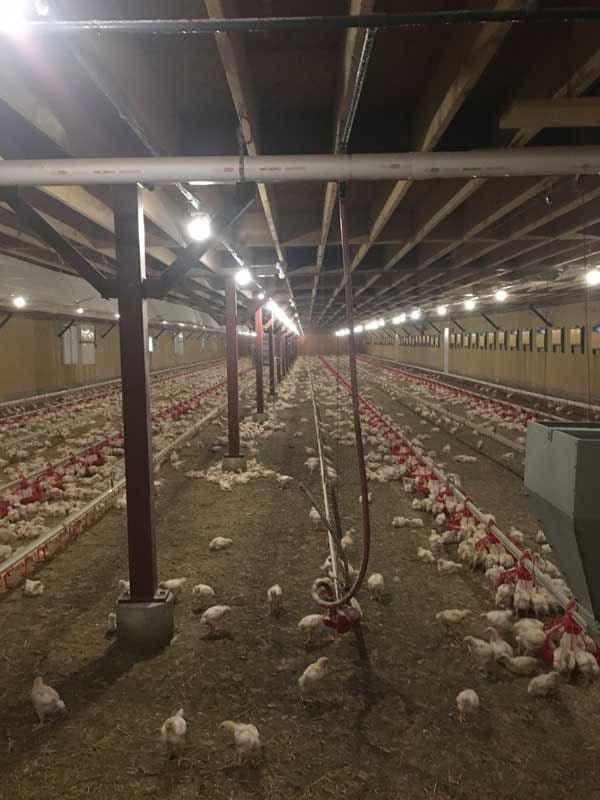 Livestock industry
Poultry farm
Centreville, Nova Scotia, Canada · 2018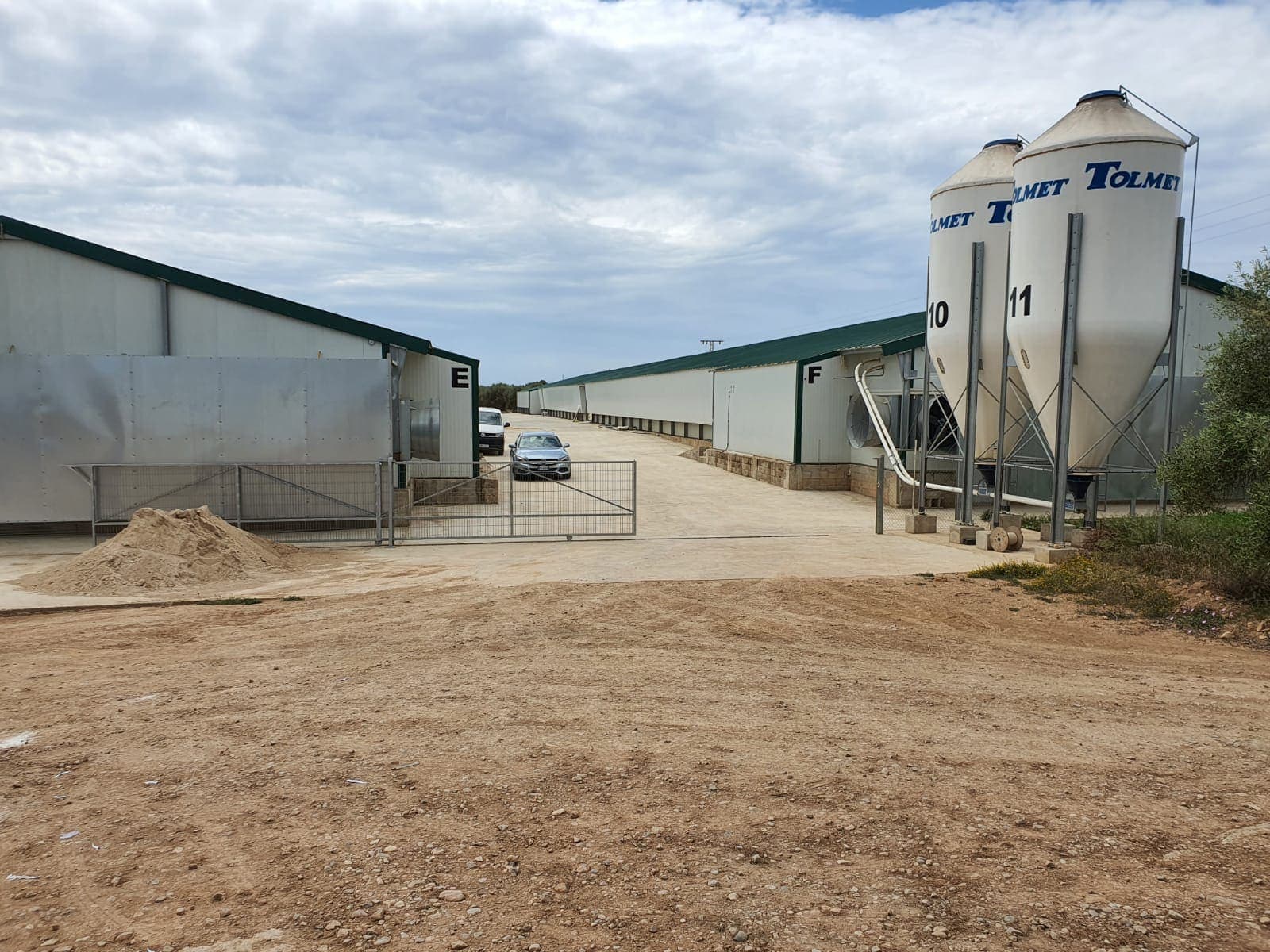 Livestock industry
Broiler farm
Castellón, Spain · 2022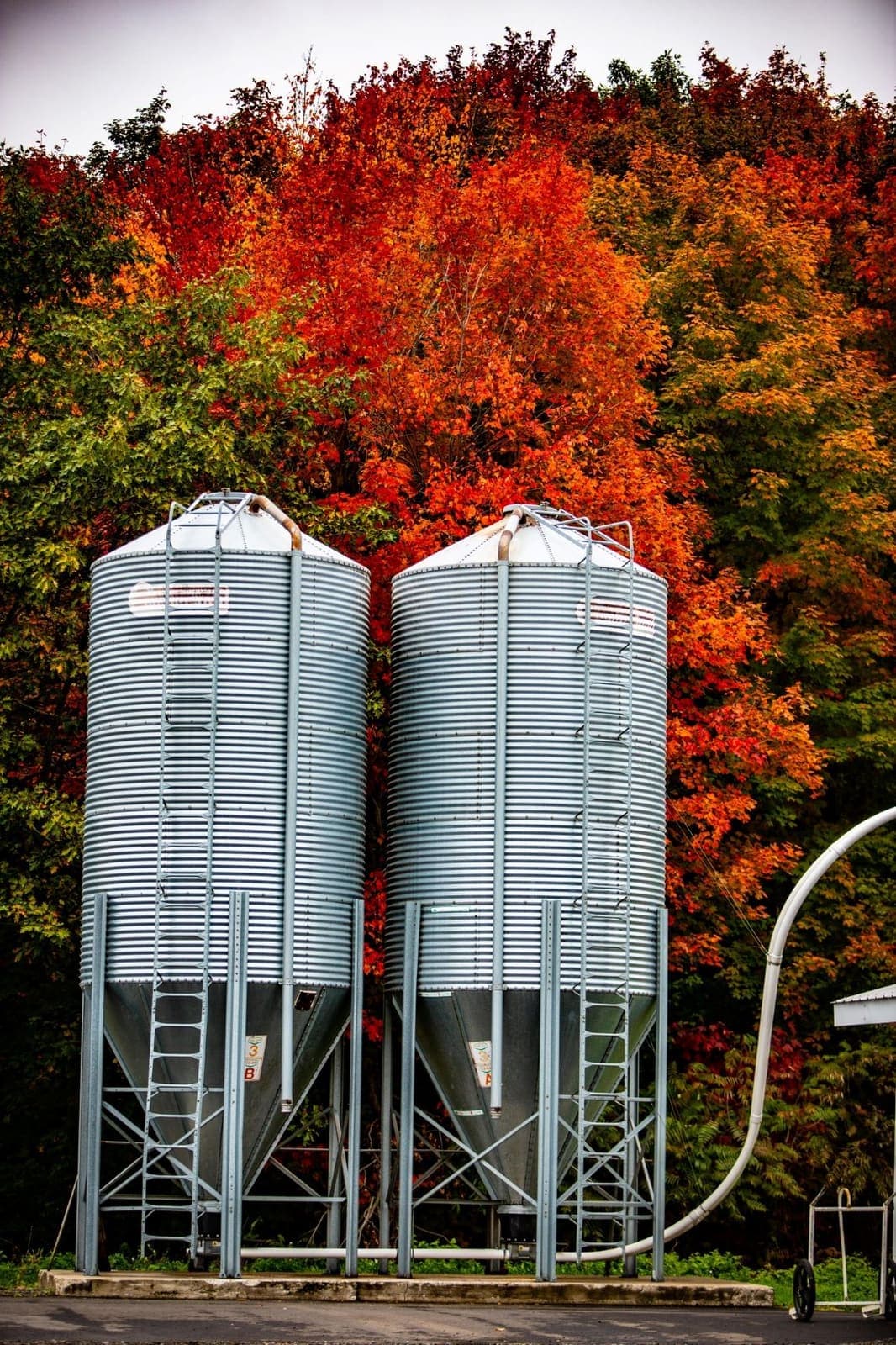 Livestock industry
Poultry farm
Quebec, Canada · 2018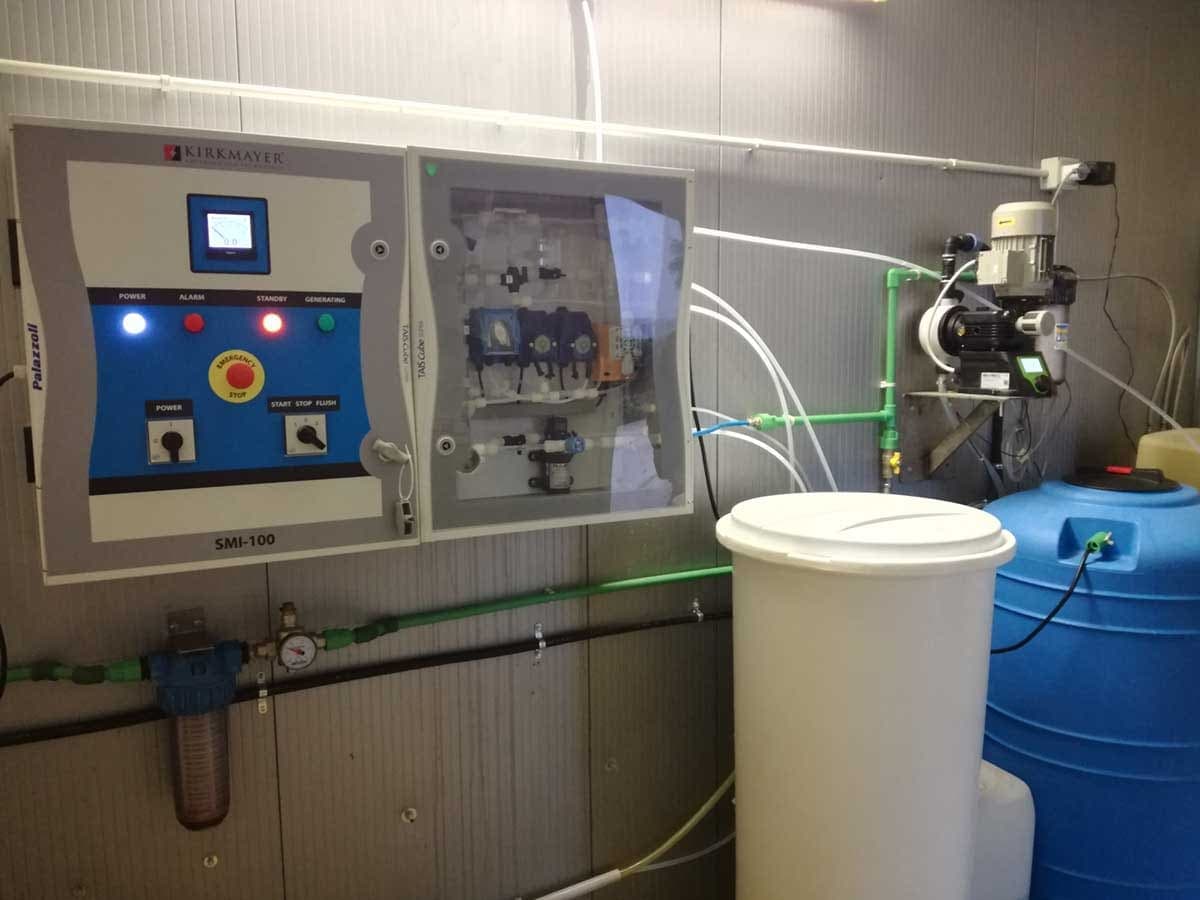 Livestock industry
Pig fattening farms
Mantova, Italy · 2018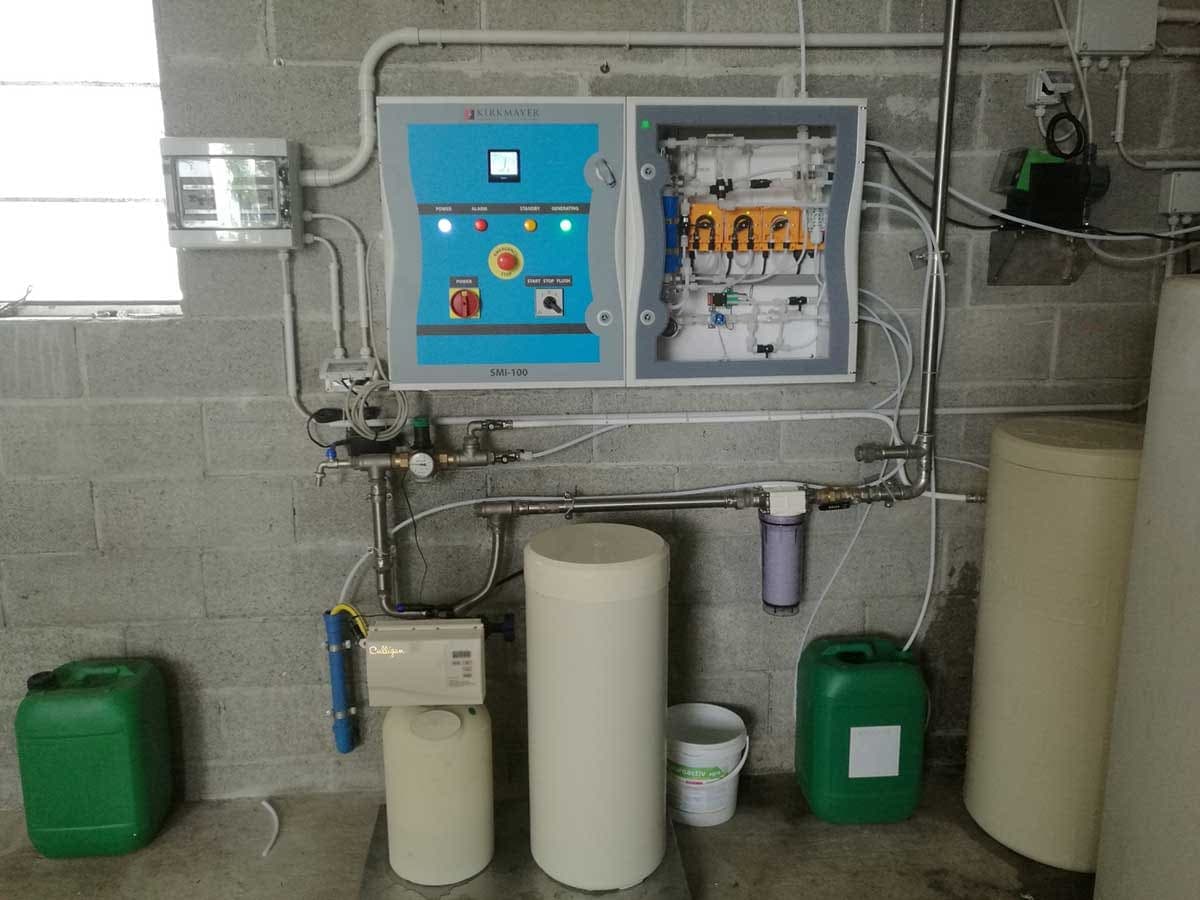 Livestock industry
Pig fattening farm
Brescia, Italy · 2018 Dairy factories
Dairy farm
St. Albert, Quebec, Canada · 2018 Livestock industry
Hatchery
Italy · 2018